
Targeting a local audience
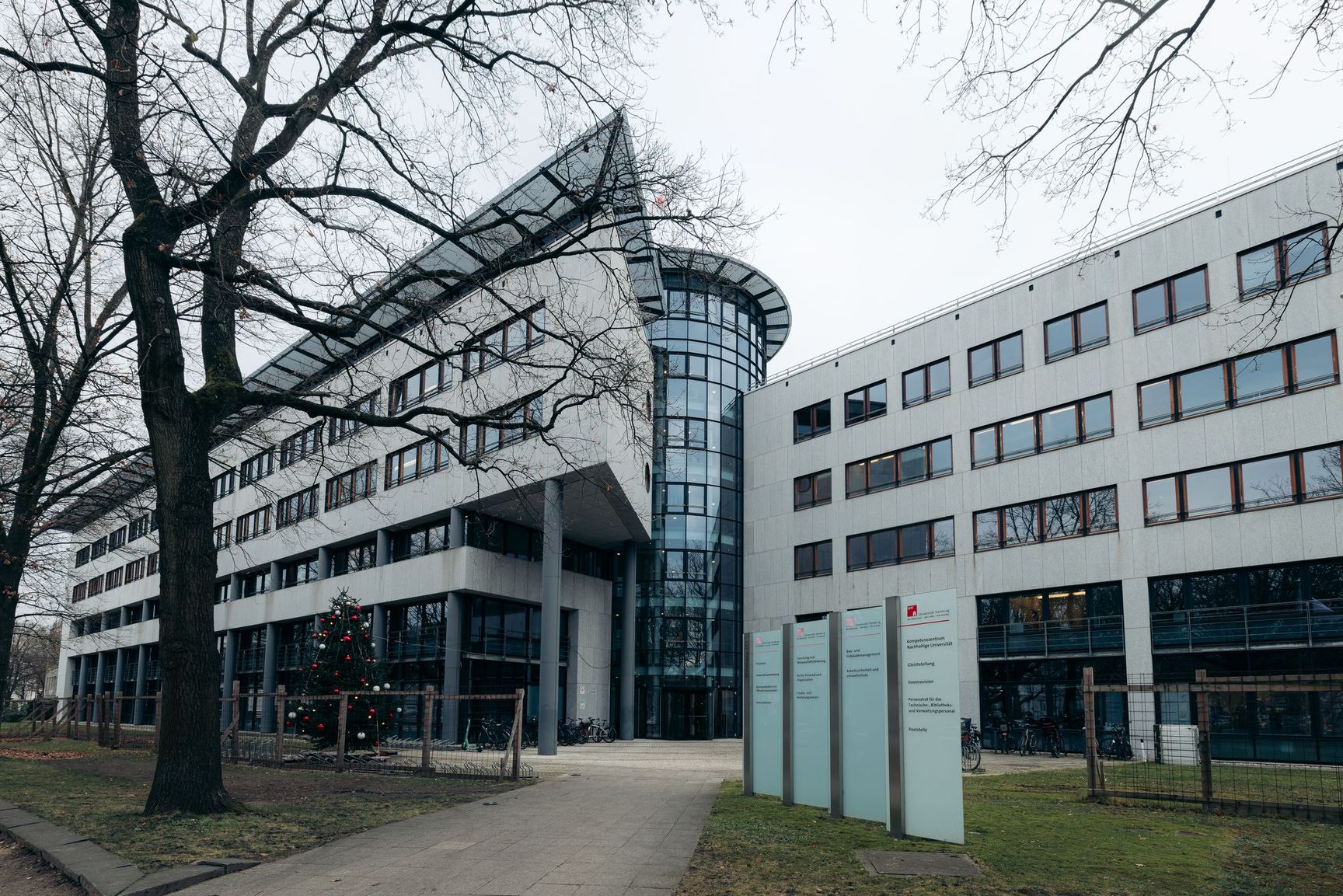
Plan around the audience and the setting
A campaign should be planned around the people a business can realistically serve. Digital out-of-home offers different environments and scheduling options that can help connect the message with a particular local context.
The available options depend on the media operator, inventory and campaign arrangements.
What audience targeting means in this context
In this context, audience targeting means adapting campaign activity to a defined group or situation, such as a location, time period or viewing environment.
Options to discuss with the operator may include:
- different messages at agreed times of day
- location-specific creative
- adaptations for the environment and audience
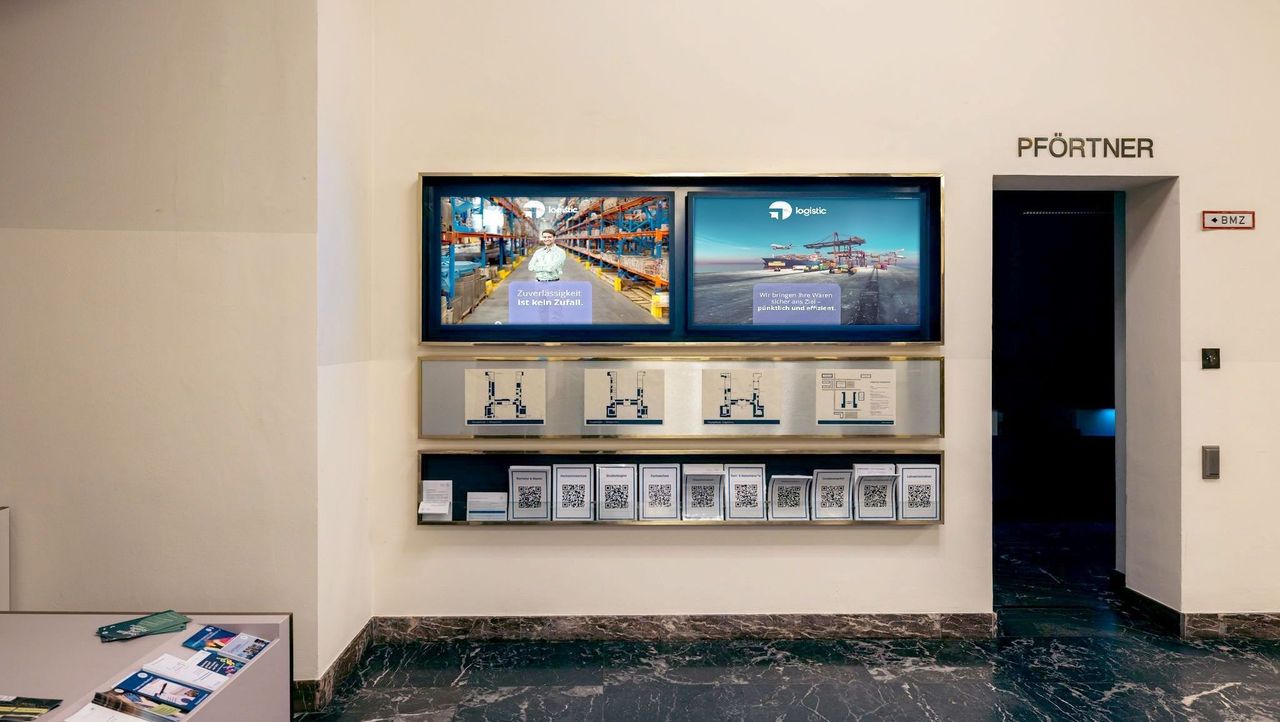
These possibilities should be confirmed for the actual inventory being considered.
Applying the approach locally
A proposed screen should be assessed against the business’s service area and the people who use the venue. Store location, visitor patterns and available audience information can help guide the creative and schedule.
A theater or city placement may offer different opportunities depending on the venue and the booking arrangements. The plan should specify the options available rather than assuming a targeting capability applies everywhere.
Keep relevance connected to the objective
A defined target market gives location selection and creative development a clear starting point. The message should have a practical relationship with the setting in which it appears.
When scheduling variations are available, they should serve a specific campaign purpose and remain consistent with the business’s identity.
Key takeaways
Local audience targeting starts with the business’s market and the context of the proposed advertising placement.
A clear plan brings together relevant locations, appropriate creative and the scheduling options confirmed with the operator.