
Visibility in relevant locations
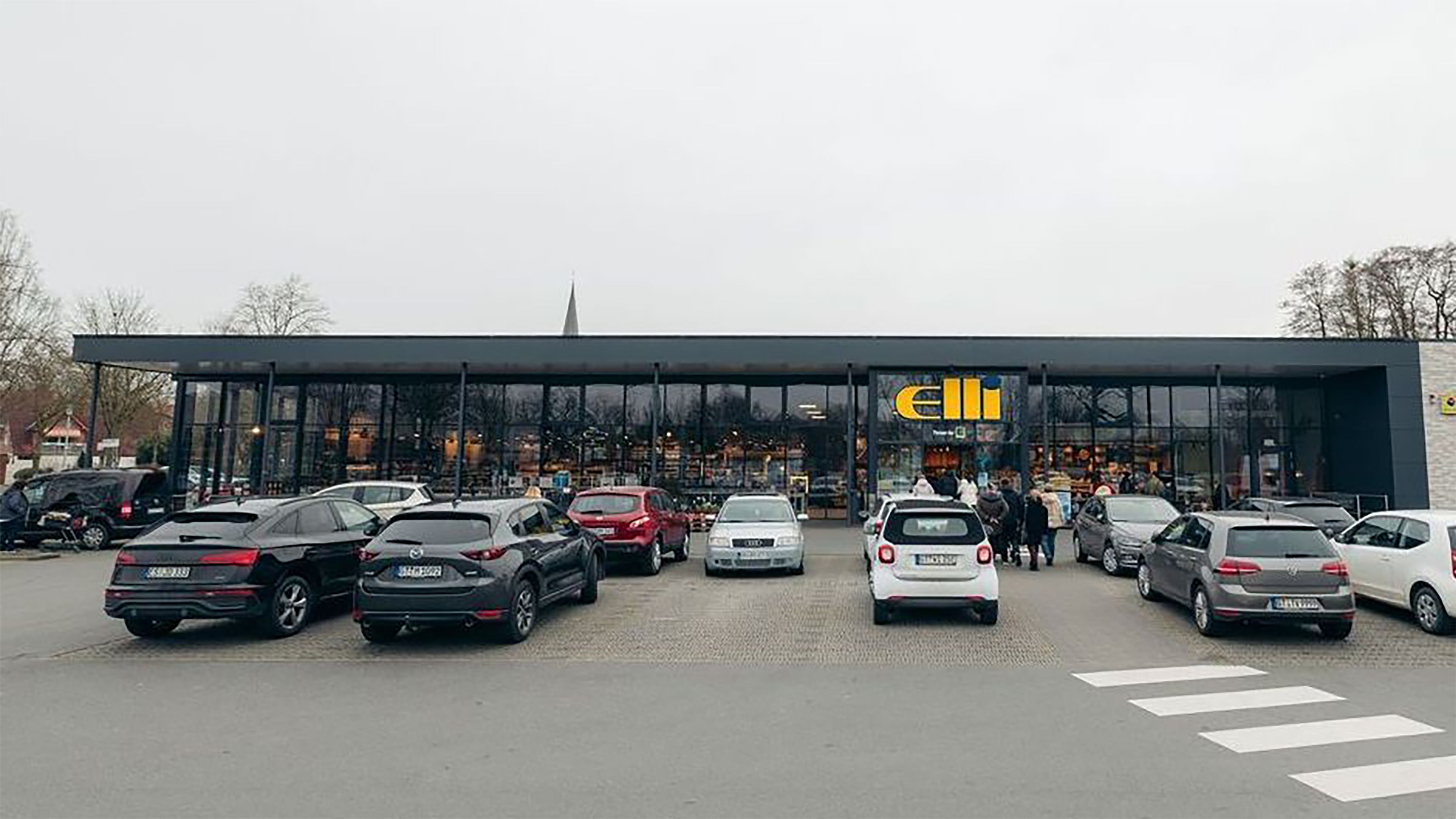
Choose the setting around your audience
A business evaluating advertising needs to understand where its message can serve a clear purpose. The location should connect with the people it wants to reach and the way they use the surrounding area.
Familiar everyday settings can provide useful context for a local message. The particular screen position and viewing conditions still need to be evaluated.
Illustrative planning example: a local care provider
Consider a care provider seeking employees within its service area. Its campaign planning could include relevant retail or transport environments alongside its online recruitment activity.
The proposal would need to assess who uses those locations, how the recruitment message would be presented and how interested applicants could find the role information. Any outcome would need to be evaluated using the evidence available.
Connect the message with the setting
The planning principle is to align the audience, environment and message. An everyday location provides context that should inform the creative and the proposed schedule.
Messages about local services should make their connection to the area clear. A recognizable business identity and a practical next step help explain why the offer matters to the intended audience.
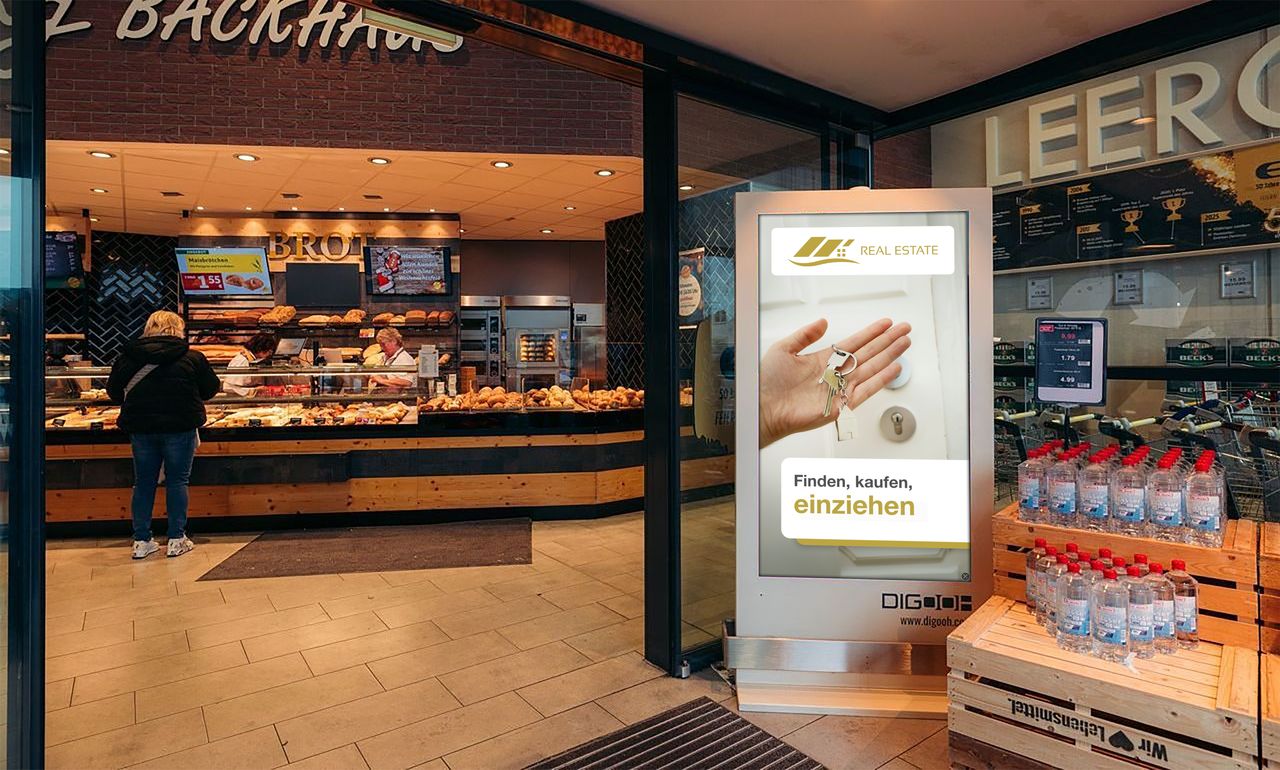
Consider the capabilities of the format
A digital placement can be evaluated around:
- relevance to the local market
- a consistent presence over time
- a focused selection of placements
Creative updates and scheduling variations may be available, subject to the operator’s systems and booking arrangements. These options should be defined in the proposed campaign scope.
Key takeaways
A useful location has a clear relationship with the audience and the campaign objective.
Digital media planning brings the placement, creative and schedule together so the business can assess a specific opportunity within its local market.