
Improving marketing communication in smaller businesses
Practical considerations for campaign planning
Smaller businesses need marketing plans suited to their market and resources. Digital advertising can be considered alongside existing communication, with the role of each channel clearly defined. Fundrock’s European experience provides context for planning, while U.S. campaigns need to reflect their own audience, media availability and business objectives.
Understand the starting point
Businesses differ in the resources, skills and information available for marketing. Assessing the current channels, the local audience and the objective helps identify where a more coordinated approach could be useful.
A useful digital advertising proposal connects the placement and schedule with a specific role within the wider plan.
Digital screens in everyday settings
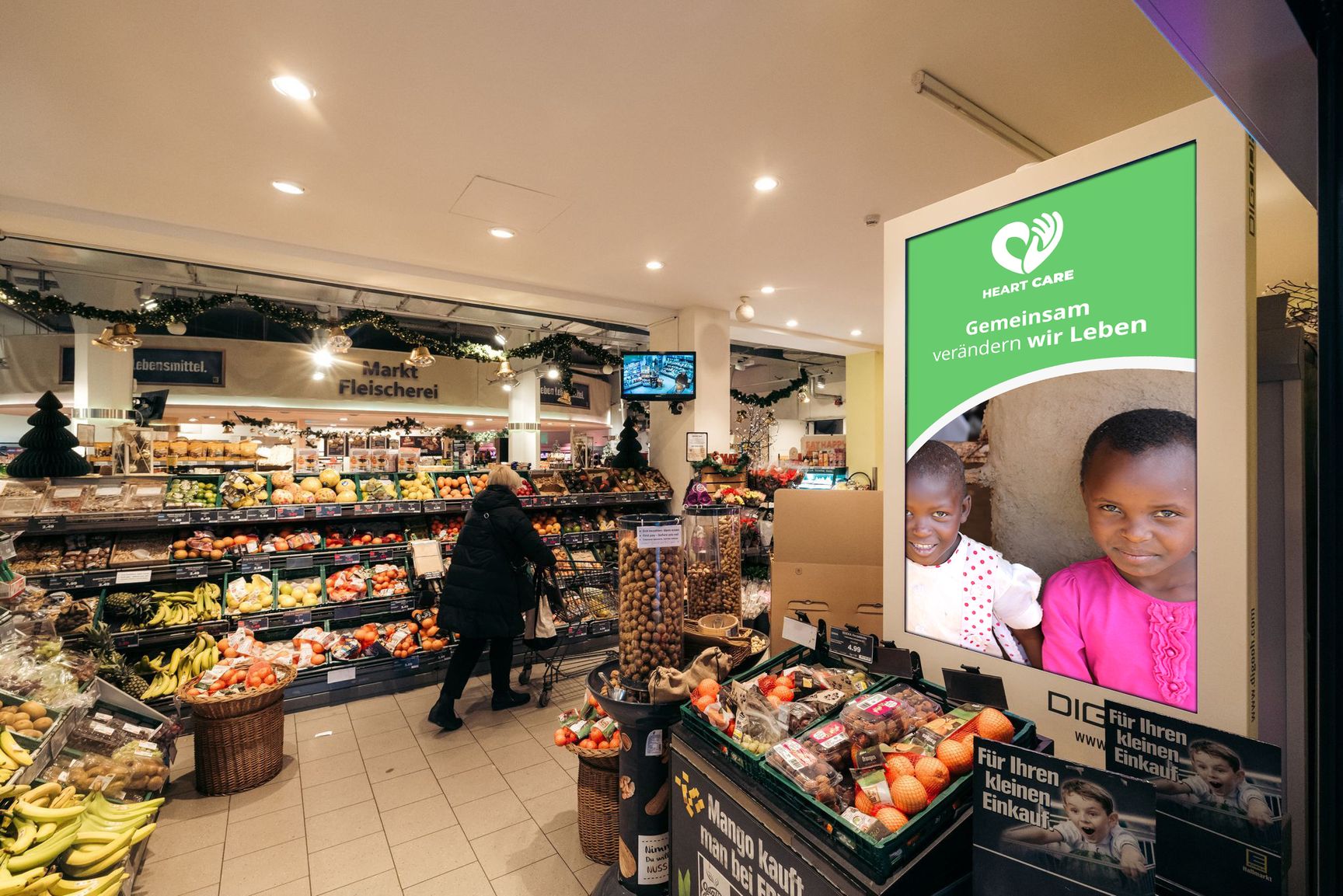
Grocery stores, shopping centers and other public environments can place a local message within everyday routines. The relevance of a proposed placement should be assessed against the business’s market and the way the audience encounters the screen.
A clear connection between the location and the business helps explain why that environment is being considered.
Practical steps for local businesses
A coordinated approach brings locations, creative and timing together, giving each element a clear role within the campaign.
Useful considerations include:
- a defined local market
- a practical recurring schedule
- a consistent message and visual identity
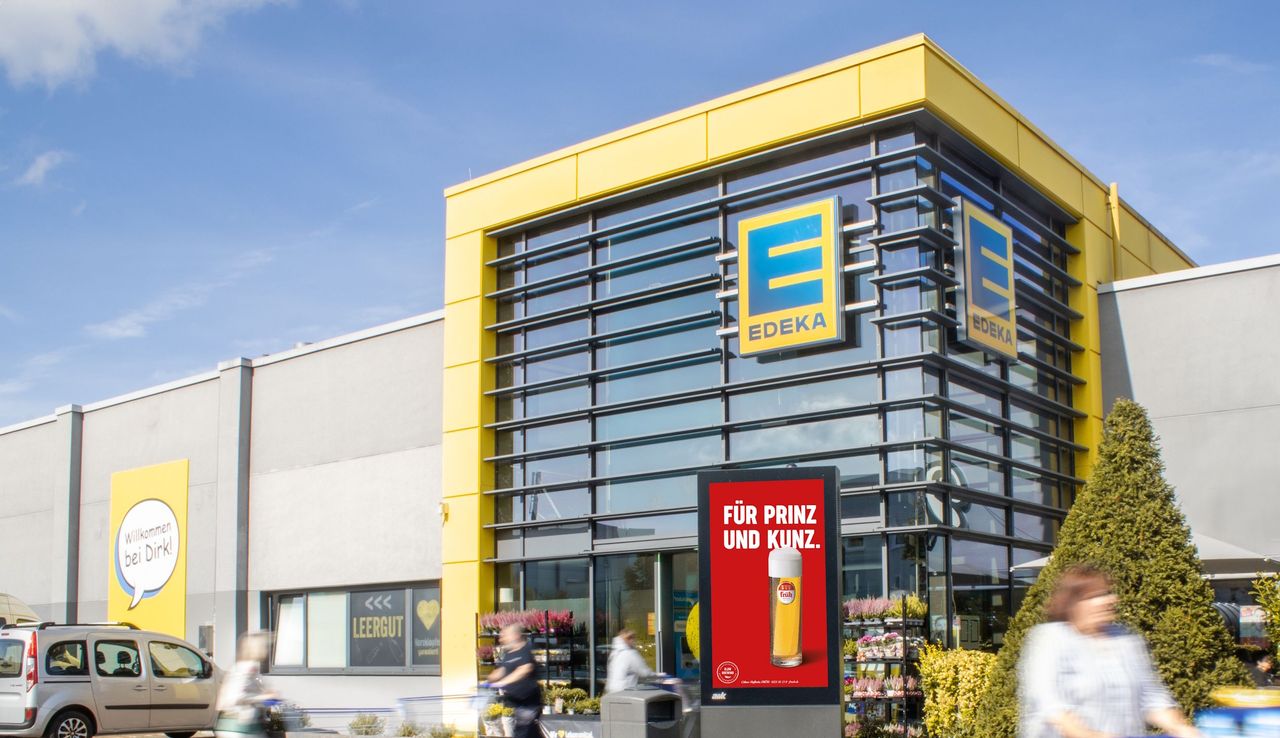
The plan should connect the content, the location and the available scheduling options.
What this means for local campaigns
A digital placement should be evaluated as part of the business’s marketing plan. Its value depends on relevance, creative execution, delivery arrangements and the objective against which the campaign will be assessed.
Key takeaways
A local advertising plan starts with the business’s needs. Relevant locations, coherent creative and an appropriate schedule help turn that objective into a manageable campaign. Information from other markets can provide context, while recommendations should be grounded in the actual opportunity being considered.