
Reach within your local market
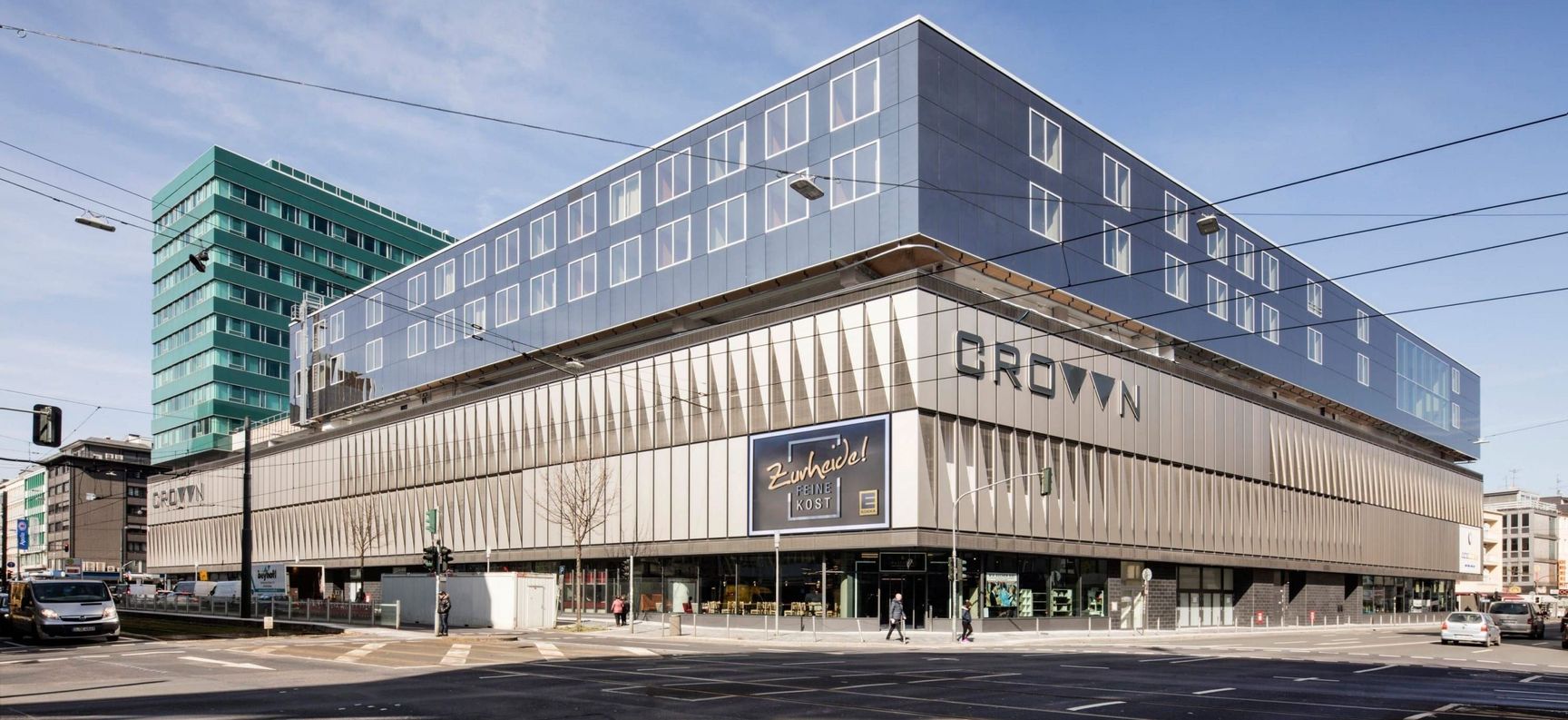
Connect reach with the campaign objective
A local advertiser needs to consider the relevance of the audience alongside any estimate of exposure. Digital out-of-home can be evaluated within a defined service area, using the locations, scheduling options and information available from the operator.
Everyday routes connect people with shopping, work, education, services and leisure. A screen along those routes provides a particular viewing context. The campaign should explain how the proposed footprint relates to the business’s market and the objective it wants to pursue.
Evaluate the proposed locations and schedule
A reach estimate is meaningful within its own methodology, network and campaign scope. A proposal should explain the information available for the actual inventory and how it relates to the target audience. Figures from another city, campaign or research market do not establish the result of a new local campaign.
Define the target area
Campaign planning can focus on neighborhoods, service areas or relevant venue types where those booking options are available. The scope should follow the audience and the business’s practical market.
A recruitment message and a visitor-attraction campaign may require different locations and timeframes. Defining the objective helps identify which audience information and placements are most relevant.
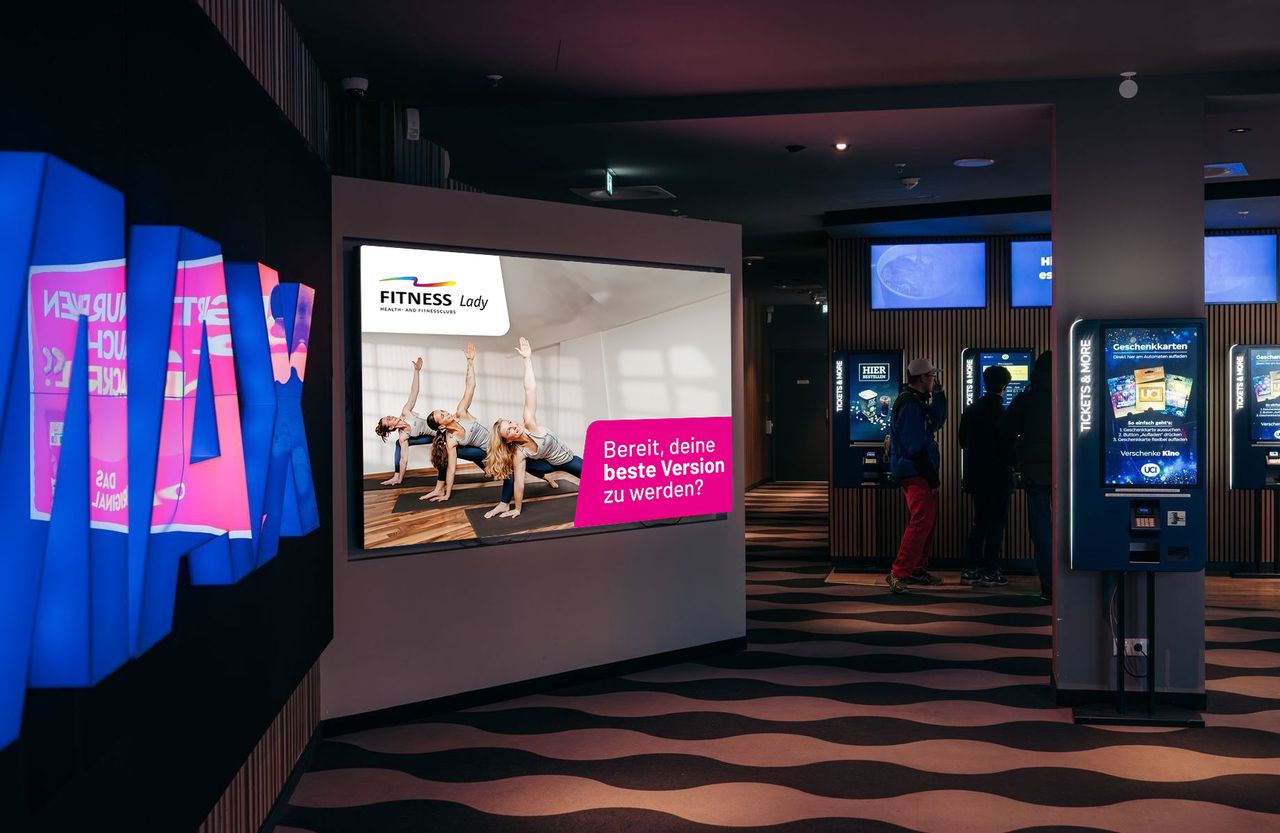
Understand the role of physical visibility
Out-of-home advertising is encountered within a physical environment. Its role should be considered alongside the business’s online activity, with a clear view of the creative, available delivery information and any response mechanisms included in the campaign.
Key takeaways: relevant reach within a clear plan
A useful local proposal connects the audience, target area and available media with a specific business objective. Relevance, practical campaign scope and clear reporting assumptions provide a basis for deciding which opportunities to pursue.