
Comparing digital advertising environments
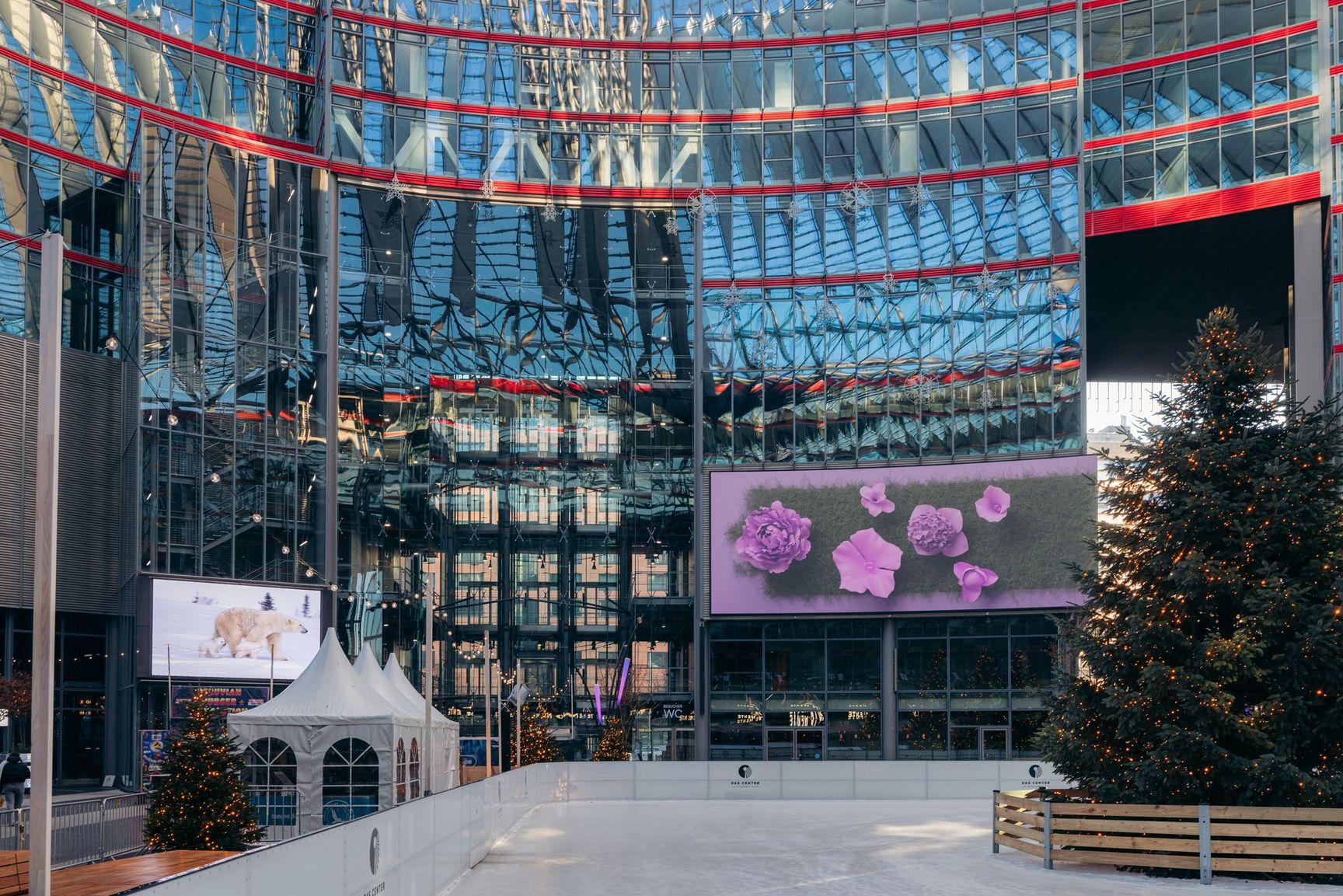
Choose the setting around the local objective
Digital screens appear across everyday settings, from grocery stores and home improvement retailers to movie theaters and city locations. A local advertiser needs to consider which environment, format and schedule best fit its audience and objective.
Location, audience and viewing context shape how a campaign should be planned.
A presence within everyday routines
Screens can place a message along the routes people already use, including shopping trips, commutes and leisure visits. Understanding the setting helps connect the creative with the audience’s activity at that moment.
Environments vary in visitor movement, time available to view a screen and the surrounding activity. A busy circulation area calls for different creative from a waiting area. These differences should guide both location selection and message development.
A useful comparison considers the audience’s relevance and the viewing situation alongside the information available about exposure. We evaluate how the message, location and schedule can work together within the business’s local marketing plan.
Grocery stores: an everyday local setting
Grocery environments offer a connection with recurring shopping routines. The exact placement and the time available to understand the message matter when developing creative.
Potential advertisers may include:
- services connected to the local area
- healthcare and care providers
- home service businesses and skilled trades
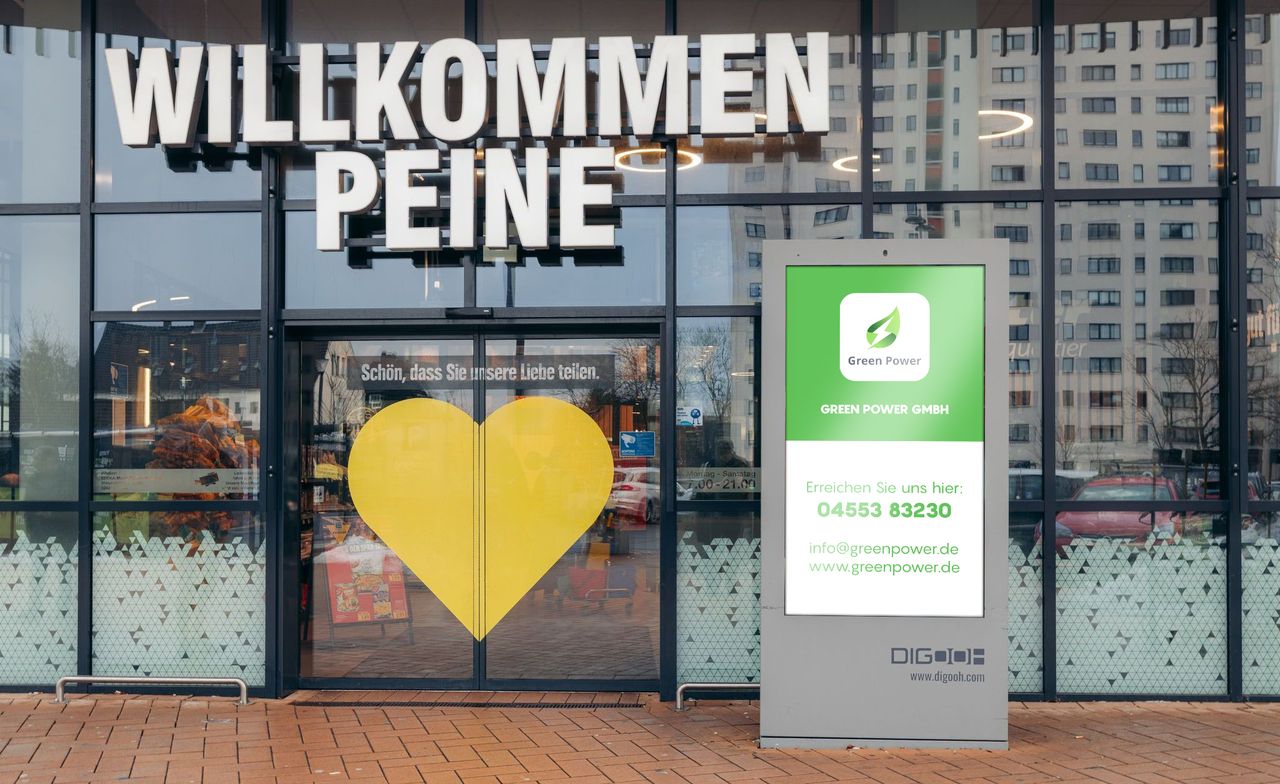
A consistent campaign can keep the business recognizable within its local service area.
Movie theaters: a leisure and entertainment context
A theater visit brings people together around an entertainment occasion. Lobby screens may be encountered while visitors wait, meet friends or use the concession area. These placements have different characteristics from advertising shown on the theater screen before a film.
Recruitment, education, local services and leisure offers can each be considered when the particular venue and audience fit the campaign objective.
Outdoor screens: communicate clearly in motion
Outdoor screens and busy entrances often give the audience limited time with the message. The creative should use a clear hierarchy, readable text and a focused idea that suits the actual viewing conditions.
A recognizable visual identity and consistent placement can connect the business with familiar routes. The screen position, traffic context and proposed schedule should be evaluated with the operator.
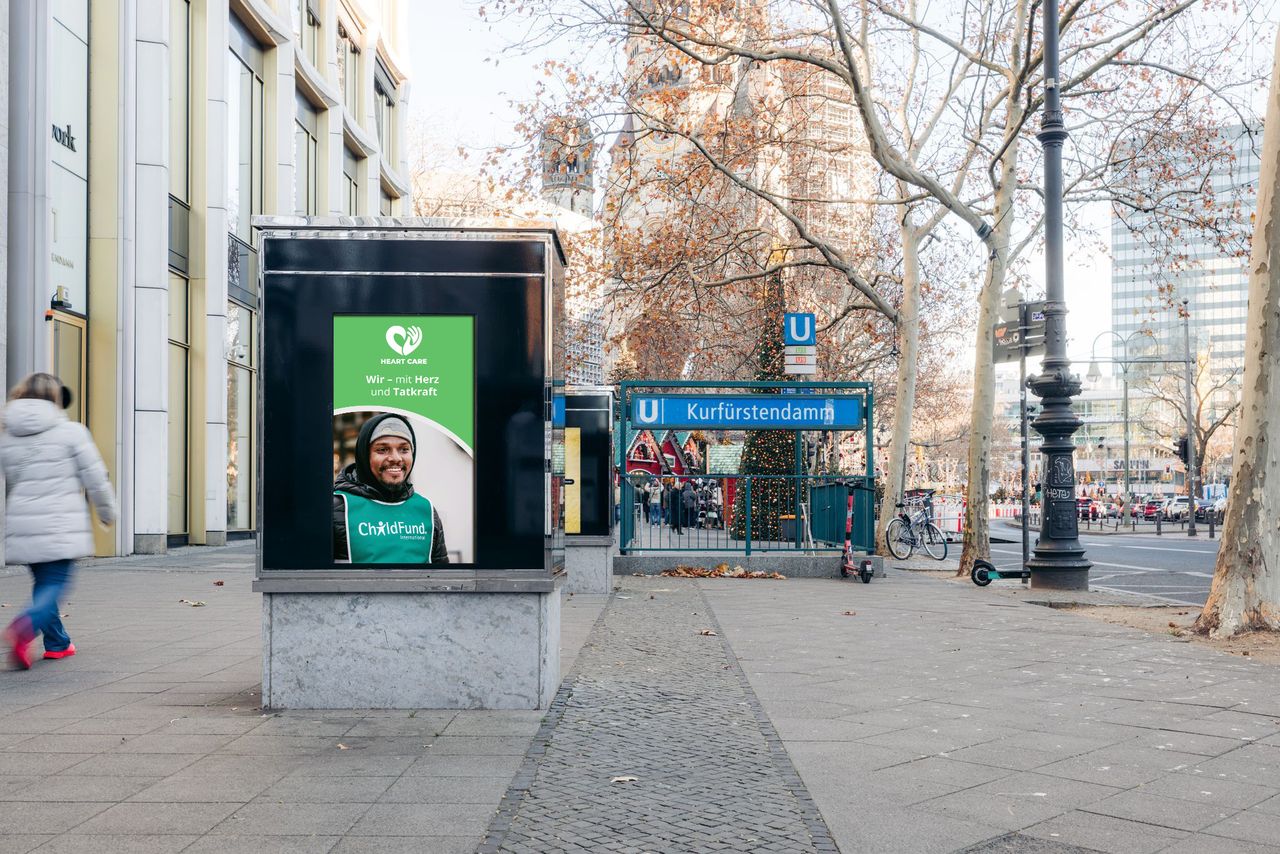
The aim is to bring the audience, setting and message together in a practical local campaign plan.
Key takeaways
Digital media selection should reflect the business’s market and the way people encounter each screen. We consider the format as part of a wider campaign, with creative and scheduling developed around the specific placement.
A relevant placement gives the campaign a clear reason to be there.