Connecting Local Campaigns and Social Media
Connecting Local Campaigns and Social Media. Explore how audience relevance, clear creative and practical media planning connect a local advertising campaign with a business objective. Fundrock’s experience in Germany informs its plans for U.S. media partnerships.
Connecting local campaigns with social media
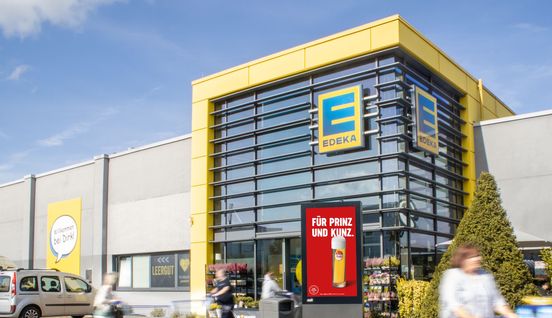
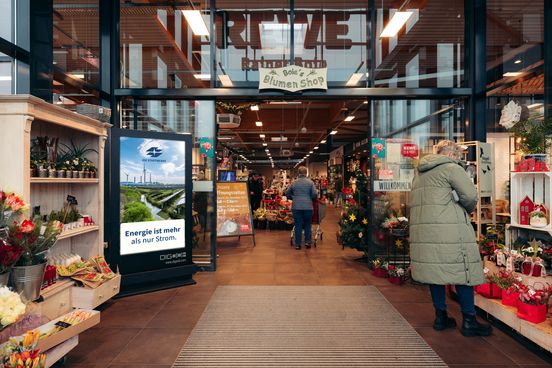
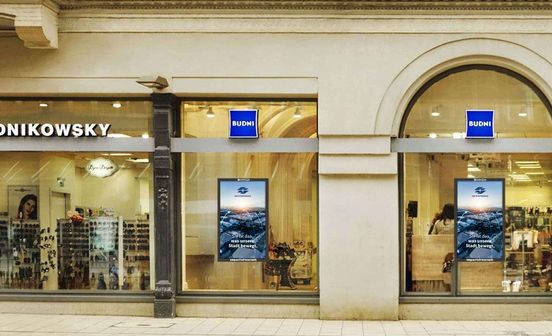
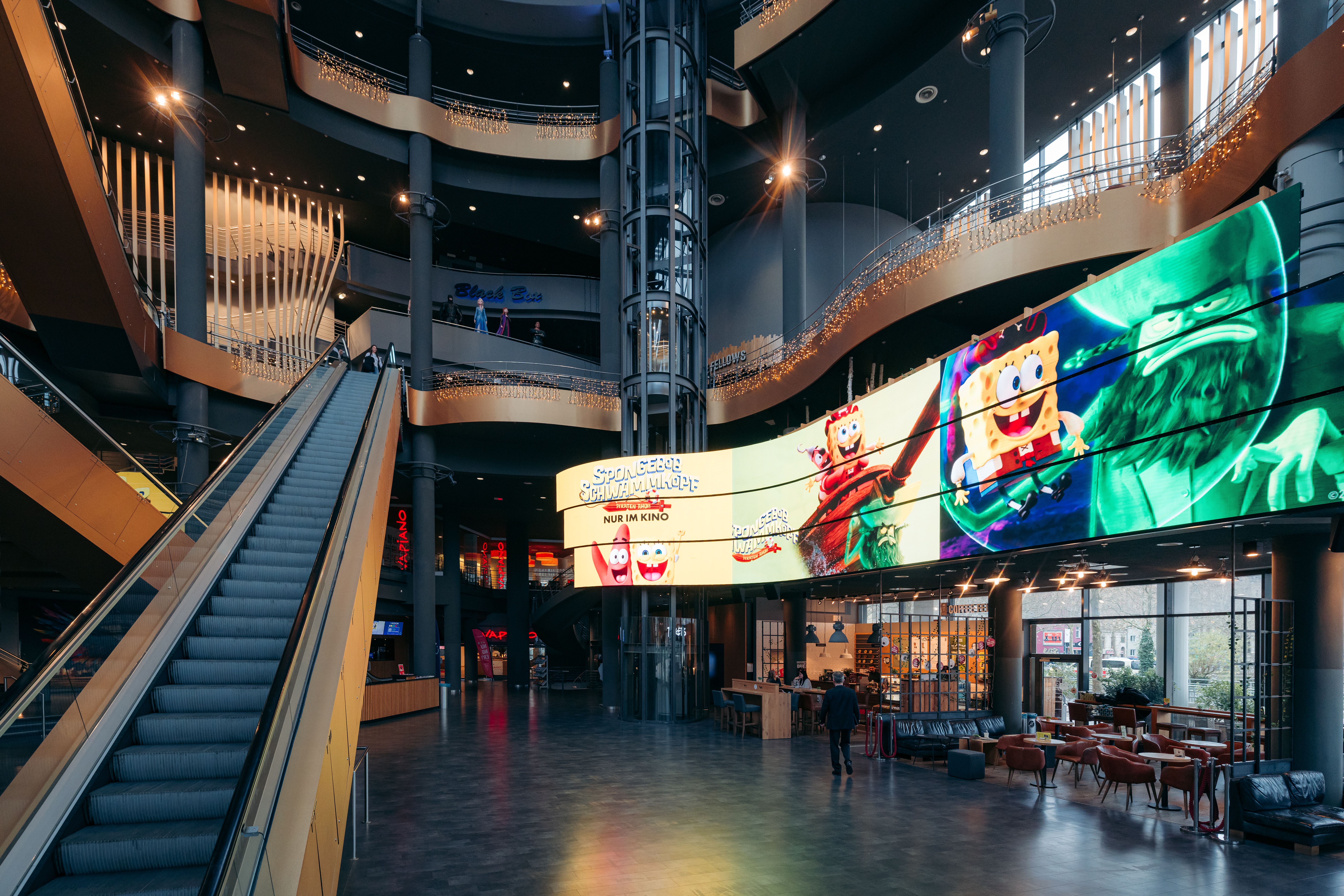
Digital out-of-home and social media can serve different roles within one communication plan. Screens introduce a message in a physical environment, while the business’s social channels can provide more detail and a place for people to engage.
A local plan should consider how the business presents itself across everyday environments and online channels. The objective is a consistent identity, with the creative adapted to the audience and the format rather than an assumption that every individual will encounter every channel.
A clear path to further information
Digital screen creative can introduce the business through a focused image, message and brand identity. The advertisement should give interested people a practical next step where that is part of the campaign objective.
Social content can then provide useful details about the offer, the team or the work behind the business. A campaign landing page or clearly identified profile helps connect the initial message with information the audience can explore.
This gives each channel a defined purpose within a coherent communication approach.
A recognizable identity across different settings
A consistent campaign uses recurring brand elements while adapting the level of detail to the placement. Public screens, social posts and a website each have different viewing conditions.
The same core idea can appear as a concise screen advertisement and a more detailed social post. The formats should be developed together so the identity and main message remain clear.
For a local business, this coordination helps present the offer consistently within the market it serves.
Plan useful opportunities for engagement
Social channels can provide a way for interested people to ask questions, review information or share content. The business should define how it will manage those interactions.
A screen advertisement may point to a relevant social campaign or information page where that next step is suited to the placement and the audience.
Available response information and feedback can be reviewed alongside the campaign objective. Different forms of delivery and engagement data should be described clearly.
Connect a local footprint with digital information
A digital placement should reflect the business’s actual market. Its online content can provide additional detail for people who want to explore the offer after encountering the advertisement.
A recognizable visual identity and consistent language help connect the channels, while each element remains suited to its own format and purpose.
Organize creative production across channels
A coordinated production plan can identify assets suitable for more than one format. Screen creative and social content may share imagery or branding, with adaptations for their different specifications.
The scope, production work and any additional costs should be agreed. Reusing an asset does not remove the need to check its suitability for each placement.
Key takeaways: a coordinated communication plan
Digital out-of-home and social media can complement one another when the business defines what each channel should do.
Start with the objective and audience, then develop a consistent identity, relevant creative and a practical route to further information.
This provides a clear framework for a local campaign, with the proposed media and reporting connected to the business’s wider marketing.